Workload demand is uncertain
Training, tuning, retrieval, and inference have different utilization patterns. Early estimates can lead to idle capacity or constrained production services.

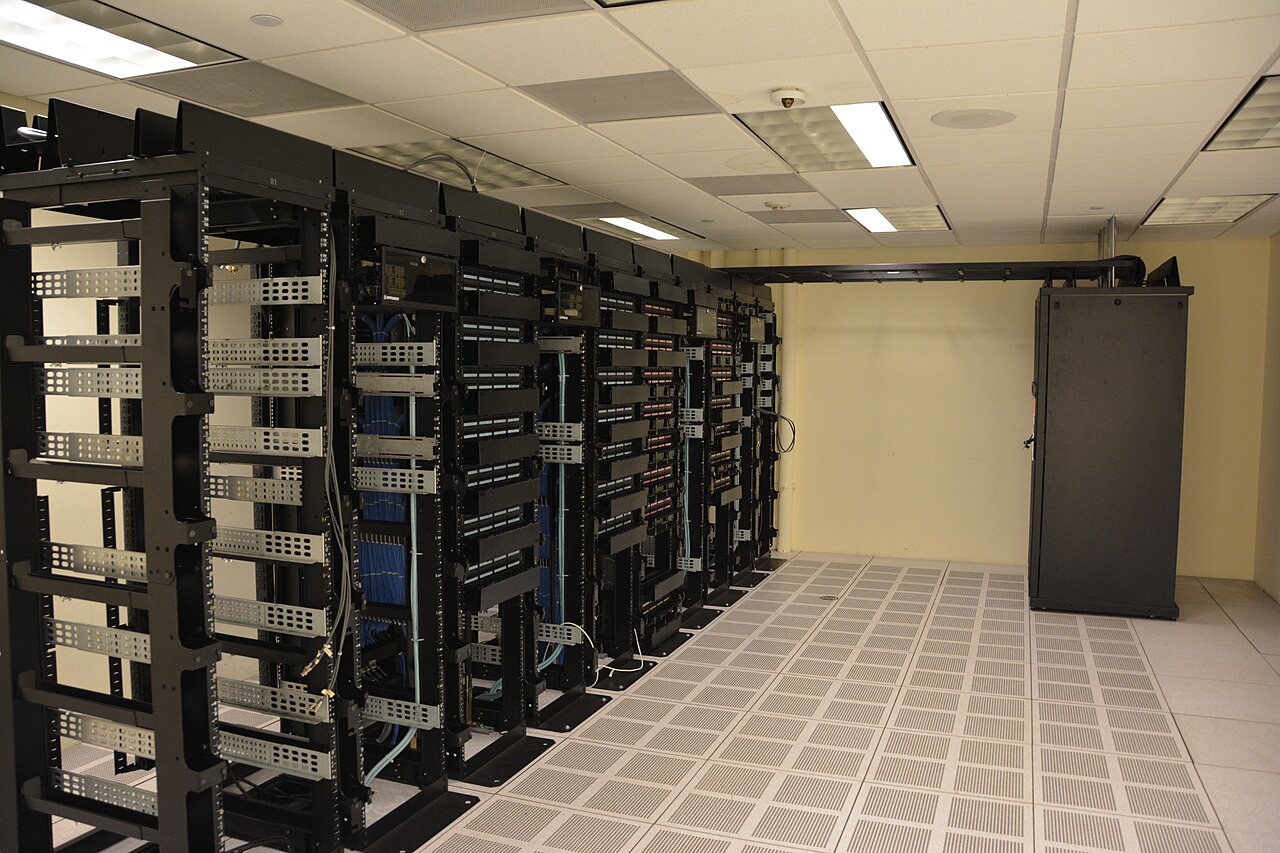
Cloud and Compute
Infrastructure for the Intelligent Enterprise
AI workloads need cloud architecture, data platforms, compute planning, observability, and automation that can support both experimentation and production demand.
Service Overview
Enterprise AI workloads place different demands on compute, storage, networking, latency, resilience, security, and cost. Cloud and AI infrastructure should be designed around those workloads and the data they use.
Business and Technical Challenges
Training, tuning, retrieval, and inference have different utilization patterns. Early estimates can lead to idle capacity or constrained production services.
Moving large or sensitive data can affect latency, cost, privacy, and architecture choices across cloud and on-premise environments.
Teams need a consistent view of performance, reliability, capacity, security, and spend across platforms and model services.
The Opportunity
Workload-led infrastructure planning helps organizations place AI services where performance, control, resilience, and economics make sense. Automation and observability then make those environments repeatable and operable as demand changes.
Architecture
We design cloud and platform foundations for enterprise AI: resilient, observable, automated, and aligned to the workloads they need to run.
AI Compute
Training, tuning, retrieval, and inference place different demands on compute, storage, networking, latency, and cost. The right architecture starts with the workload and the data it needs.
01
Plan GPU and other accelerator capacity around model size, utilization, scheduling, and the economics of each workload.
02
Keep data movement, locality, privacy, and network throughput visible when choosing cloud, hybrid, or on-premise deployment.
03
Use repeatable infrastructure, monitoring, access controls, and recovery practices so services remain observable in production.
04
Measure latency, throughput, resilience, and cost before expanding capacity or changing deployment patterns.
Practical Use Cases
Estimate accelerator, storage, network, and scheduling needs for a defined training or inference workload before committing capacity.
Place data and workloads across cloud and on-premise environments according to locality, latency, control, and support needs.
Create repeatable infrastructure, deployment paths, identity, monitoring, and service ownership for application teams.
Connect performance, capacity, incidents, and cost signals so teams can investigate and plan with one operating context.
Delivery Approach
Define data, model, latency, throughput, availability, security, and growth assumptions.
Compare cloud, hybrid, on-premise, and edge options against operational and commercial constraints.
Implement repeatable infrastructure, identity, networking, storage, orchestration, observability, and recovery.
Review utilization, latency, reliability, incidents, and cost before scaling or changing architecture.
Business Outcomes
Why Turbo AI
Architecture begins with the model, data, user, and service requirements rather than a preferred platform.
We connect compute decisions to data engineering, AI delivery, security, and operational ownership.
Capacity and optimization decisions use measured utilization, performance, resilience, and cost.
Technology Ecosystem
These names identify relevant technologies and frameworks. They do not imply formal partnerships or certifications.
 Microsoft Azure
 Google Cloud
 NVIDIA
 Kubernetes
Connected Work
Frequently Asked Questions
Answers to common questions about scope, implementation, controls, and operational fit.
Compare data locality, privacy, latency, utilization, scalability, available skills, resilience, and total operating cost for the specific workload.
No. Compute requirements depend on model size, training or inference, throughput, latency, and available optimized services. Profiling should precede procurement.
Relevant measures can include service availability, latency, throughput, accelerator utilization, storage and network behaviour, capacity, cost, and security events.
DCI 360 focuses on data-centre infrastructure visibility. Cloud and AI compute services address the wider architecture and operation of workload platforms.
Latest Insights
Practical guidance for the data, workflow, architecture, and governance decisions behind cloud, infrastructure & ai compute.
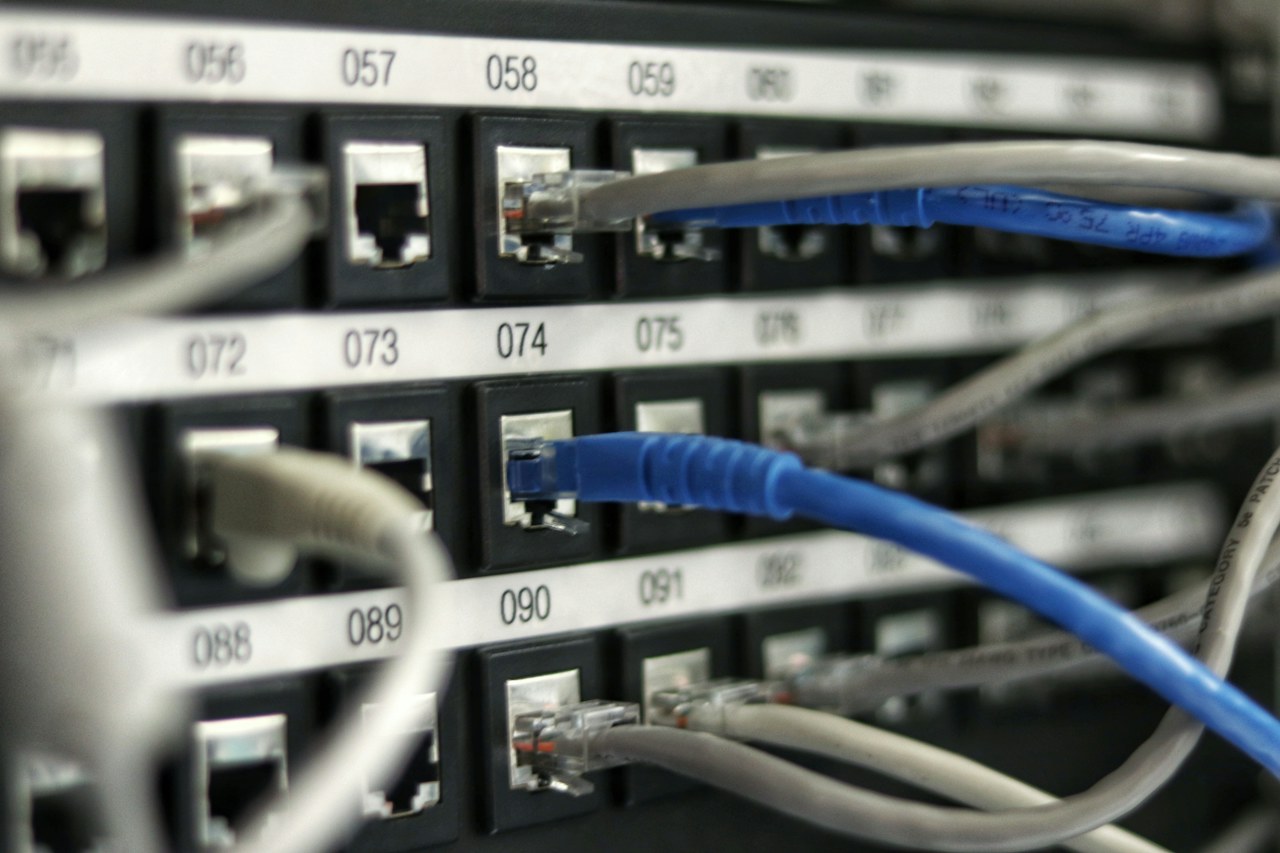
Most enterprises are under-investing in AI infrastructure and it's costing them at scale. Here's what the strategic investment framework looks like — and where to start.
Read More
Learn how data-centre teams can assess usable capacity across racks, power, cooling, assets, and planned workloads with traceable engineering review.
Read More
Turn telecom alarms, topology, and service-impact data into a reviewable incident timeline with operator validation and controlled response.
Read MoreNext Step
We can help map workloads, risks, and platform requirements before major investment.
Schedule a ConsultationWhether you're evaluating a strategic initiative, conducting due diligence, or exploring AI transformation, we're here to help.
Or reach us directly at hello@turbo-ai.ca
We only use your information to respond to your inquiry. No marketing lists.