Use cases are framed too broadly
Goals such as becoming AI-driven do not identify the user, decision, evidence, constraint, or outcome needed to build a useful system.


Enterprise AI Solutions
Turning Business Problems Into Intelligent Systems
Turbo AI frames AI around business problems first, then designs the data, models, integrations, and governance needed to turn them into reliable enterprise systems.
Service Overview
Enterprise AI solutions begin with a business decision or workflow, then combine the data, models, applications, integrations, infrastructure, and controls required to improve it. This avoids treating AI as a disconnected feature.
Business and Technical Challenges
Goals such as becoming AI-driven do not identify the user, decision, evidence, constraint, or outcome needed to build a useful system.
A model cannot create value when its inputs are unreliable or its output does not reach a person who can act.
Without accountable product, data, security, and operational owners, a promising demonstration is difficult to support and improve.
The Opportunity
The opportunity is to apply the right AI pattern to a bounded enterprise problem: retrieval for knowledge, document intelligence for evidence preparation, analytics for prioritization, or controlled agents for workflow steps. Each solution is evaluated by the decision it improves.
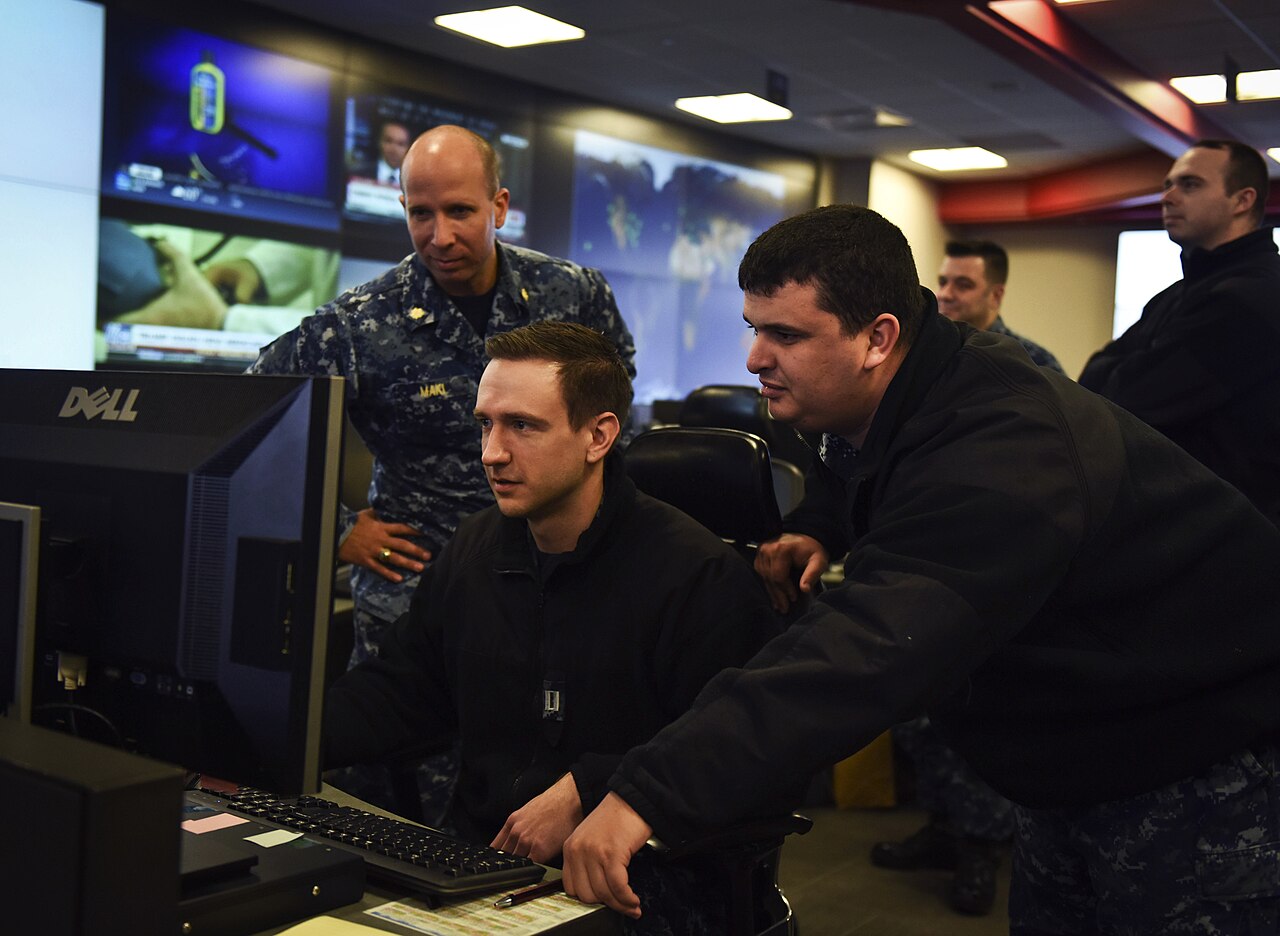
Business problem: fragmented customer signals. AI approach: unify behavioral, transactional, and service data. Enterprise application: next-best-action, segmentation, and service prioritization. Expected value: clearer decisions and more relevant customer experiences.
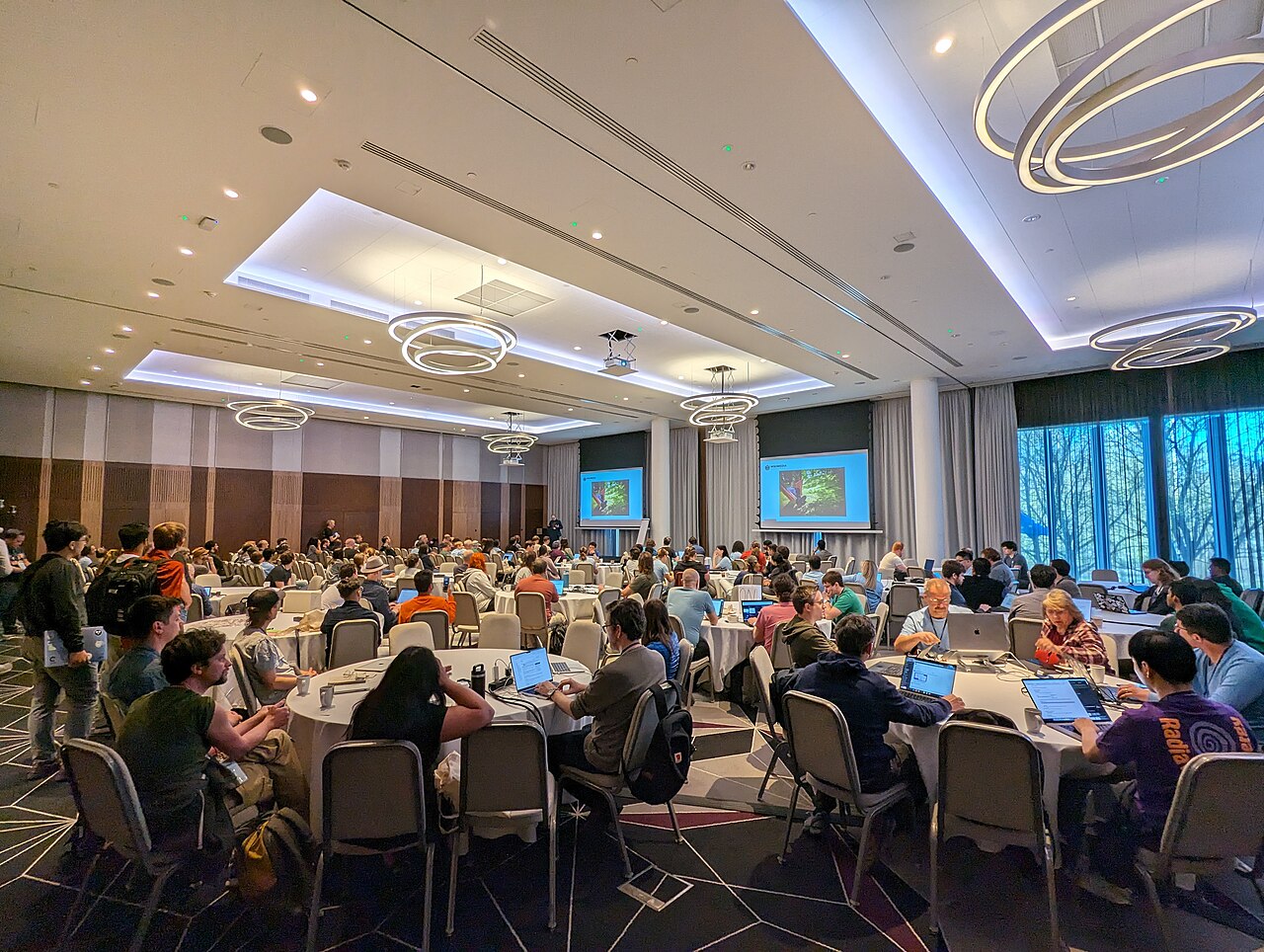
Business problem: high-volume manual document handling. AI approach: extraction, classification, validation, and human review. Enterprise application: claims, contracts, invoices, onboarding, and compliance workflows. Expected value: faster throughput and fewer manual bottlenecks.
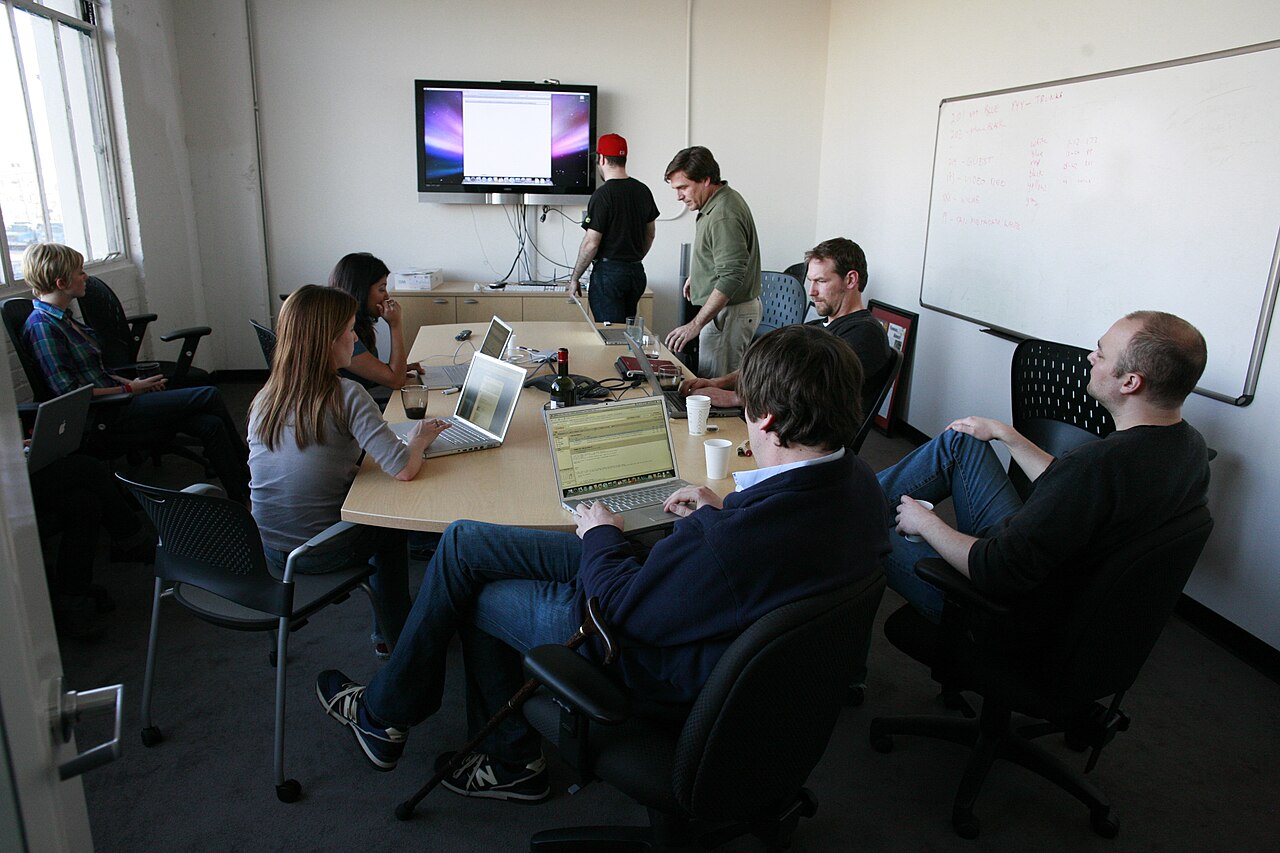
Business problem: expertise trapped across documents and teams. AI approach: governed retrieval, semantic search, and knowledge assistants. Enterprise application: internal support, research, policy lookup, and decision preparation. Expected value: faster access to trusted information.
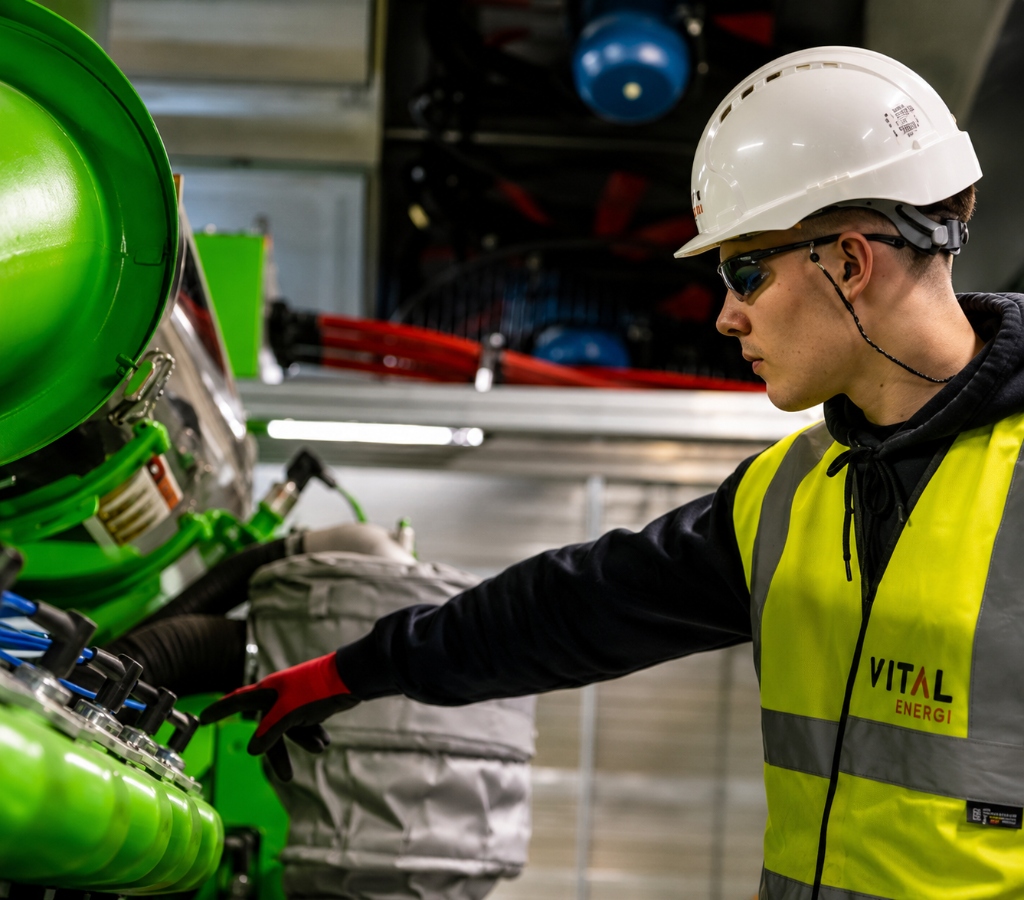
Business problem: unplanned downtime and limited asset visibility. AI approach: telemetry analysis, anomaly detection, and maintenance prioritization. Enterprise application: industrial asset monitoring and work-order intelligence. Expected value: better planning and reduced operational disruption.

Business problem: slow decisions across complex operating data. AI approach: signal aggregation, scenario analysis, and decision support. Enterprise application: executive dashboards, operational command centers, and planning workflows. Expected value: decisions with more context and traceability.

Business problem: repetitive processes that strain teams. AI approach: workflow automation with validation and exception handling. Enterprise application: service operations, finance workflows, and back-office processes. Expected value: more consistent execution and better use of skilled staff time.

Business problem: risks hidden in high-volume transaction patterns. AI approach: anomaly detection, behavioral modeling, and alert triage. Enterprise application: payment monitoring, claims review, and security operations. Expected value: earlier detection and more focused investigation.

Business problem: limited visibility across demand, inventory, and logistics. AI approach: forecasting, event detection, and decision support. Enterprise application: logistics planning, inventory risk review, and supplier monitoring. Expected value: better resilience and coordination.
Practical Use Cases
Bring permitted transaction, service, and behavioural signals together to support segmentation, next-best-action, and more relevant service.
Classify documents, extract source-linked information, identify missing evidence, and prepare a file for accountable review.
Connect telemetry, asset history, and operating context to prioritize inspections and maintenance planning.
Surface unusual patterns with explainable evidence so investigators can focus attention and record outcomes.
Connect demand, inventory, shipment, and supplier signals to identify and coordinate consequential exceptions.
Coordinate repetitive steps with validation, exception handling, permissions, and human approval.
Delivery Approach
Identify the workflow, user, current baseline, decision boundary, and measurable operational outcome.
Map data, AI pattern, application, integration, infrastructure, security, and governance requirements.
Test representative cases with users, including uncertainty, missing information, and system failures.
Release with ownership, monitoring, feedback, escalation, and a route to update the full system.
Business Outcomes
Why Turbo AI
The decision and operating context guide the technology, not the other way around.
Strategy, data, software, cloud, security, and governance come together in one delivery path.
Automation is bounded by impact, permissions, uncertainty, and accountable oversight.
Connected Work
Frequently Asked Questions
Answers to common questions about scope, implementation, controls, and operational fit.
Look for a repeated decision or workflow with meaningful value, available evidence, an accountable owner, a measurable baseline, and a manageable risk boundary.
Not always. Many solutions can integrate with existing applications and data while modernizing only the components needed for the use case.
Design ownership, integration, security, evaluation, monitoring, support, and change management during the pilot rather than after it.
Measures should follow the workflow: decision time, rework, queue quality, adoption, overrides, reliability, customer or employee experience, and risk indicators as appropriate.
Latest Insights
Practical guidance for the data, workflow, architecture, and governance decisions behind enterprise ai solutions.

Connect machine telemetry, operating context, technician validation, and work orders to make predictive maintenance useful in real manufacturing workflows.
Read More
Explore source-linked extraction, exception queues, and reviewer oversight for insurance claims documents without automating consequential coverage decisions.
Read More
A practical exception-management workflow for logistics teams that connects shipment events, inventory, and commitments to prioritized human action.
Read MoreNext Step
We can help translate a business workflow into an AI solution architecture.
Schedule a ConsultationWhether you're evaluating a strategic initiative, conducting due diligence, or exploring AI transformation, we're here to help.
Or reach us directly at hello@turbo-ai.ca
We only use your information to respond to your inquiry. No marketing lists.