Event feeds arrive at different speeds
A shipment update, warehouse scan, and order change may disagree because of timing. Planners need to know what is current and what is inferred.

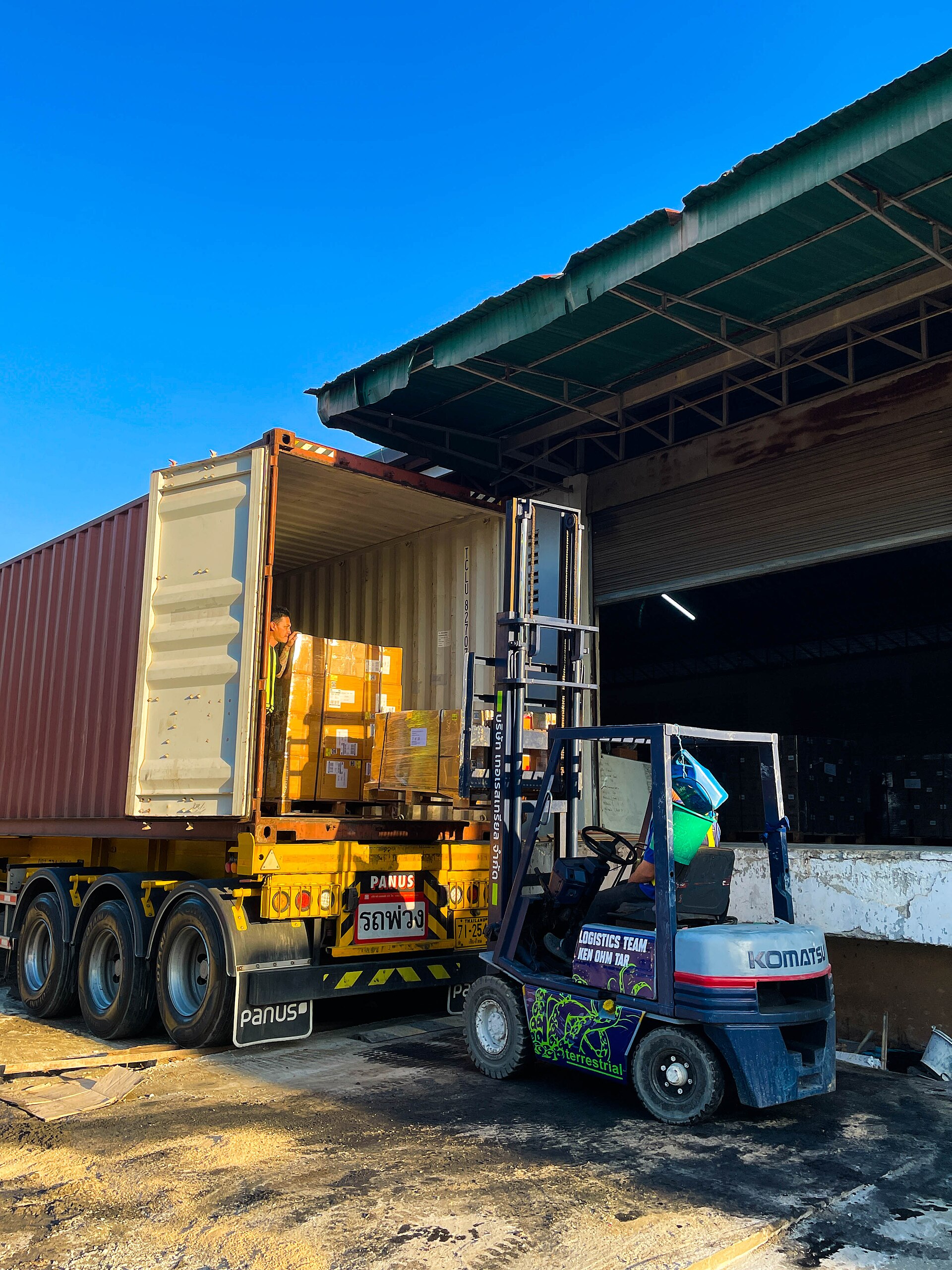
Industries We Serve
Supply-chain teams manage shifting demand, shipments, inventory, and supplier commitments. Turbo AI helps turn those events into prioritized, reviewable exceptions rather than another stream of alerts.
Operating Context
Link inventory, shipment, supplier, and demand data into a timely operational view.
Industry Challenges
A shipment update, warehouse scan, and order change may disagree because of timing. Planners need to know what is current and what is inferred.
Not every delay threatens a customer promise. Teams need impact, alternatives, and confidence beside each alert.
A carrier, supplier, and fulfilment team may each see part of an issue. Without one case history, work repeats and decisions become difficult to audit.
The AI Opportunity
AI can reduce the effort required to reconstruct an exception by grouping events, estimating likely impact, and showing available alternatives. Planners remain responsible for commitments, rerouting, and partner communication.
Industry AI Solutions
Each approach starts with a defined problem, relevant data, and a person accountable for the outcome.
01
Link orders, inventory, shipments, and supplier updates with timestamps and stable identifiers. Data quality checks make stale or missing feeds visible.
02
Evaluate likely service impact and available alternatives, then show planners why a case is high priority. Human judgment handles commitments and trade-offs.
03
Compare forecasts with warehouse and transport constraints. Scenario views can support allocation choices without assuming perfect predictions.
04
Keep status, owner, action, and outcome together so teams can hand an exception across the network without losing evidence.
Practical Use Cases
Join carrier events with order commitments and alternate stock, then assign the exception to a planner who confirms the response.
Identify locations with likely shortages and surplus using current stock and demand signals. Teams evaluate transfers against cost and service needs.
Surface supplier delays or quality holds against affected orders. Procurement can see which commitments need a conversation first.
Compare inbound and outbound volume with available capacity to prepare staffing and slotting decisions.
Delivery Approach
Select one supply chain & logistics workflow, its accountable owner, and the evidence required for action.
Connect the minimum relevant sources, document quality and permissions, and establish a baseline for the current process.
Test recommendations or assistance inside the real workflow, capture corrections, and evaluate useful outcomes and failure modes.
Release with monitoring, escalation, ownership, and a controlled route to update data, models, and process rules.
Technology Enablement
Orders, shipment milestones, inventory, supplier updates, and delivery promises flow into a time-aware operational record. Analytical prioritization and case workflows preserve source freshness, ownership, actions, and outcomes.
Enterprise Value
Spot exceptions sooner and improve coordination across planning and fulfillment.
Why Turbo AI
Turbo AI brings data engineering, AI application delivery, cloud infrastructure, security, and governance into one implementation path. We begin with the operating decision, work with existing systems, and keep human responsibility visible where risk or judgment matters.
The result is designed for production ownership: traceable inputs, evaluated behaviour, practical integrations, and a team that can improve the workflow after launch.
Related Services and Products
Frequently Asked Questions
Practical questions organizations ask when evaluating AI for supply chain & logistics.
It connects events and estimates impact so planners can focus review. It should expose its evidence and allow staff to correct stale or incomplete information.
Begin with orders, inventory positions, and shipment milestones for a bounded lane or product family, including timestamps and source ownership.
That requires approved integrations, explicit permissions, and operational controls. The initial use case is decision support and coordinated human response.
Related Insights
Read practical guidance connected to the data, workflow, and governance decisions on this page.
A practical exception-management workflow for logistics teams that connects shipment events, inventory, and commitments to prioritized human action.
Read insightExplore how retailers can connect demand, inventory, returns, and service signals while preserving local context, customer privacy, and human decisions.
Read insightNext Step
Bring a specific operational question, data challenge, or workflow. We can help define a bounded starting point.
Start a conversationWhether you're evaluating a strategic initiative, conducting due diligence, or exploring AI transformation, we're here to help.
Or reach us directly at hello@turbo-ai.ca
We only use your information to respond to your inquiry. No marketing lists.