Project information is dispersed
Drawings, RFIs, schedules, and site notes can disagree or arrive at different times. Decisions slow when teams cannot tell which record is current.

Industries We Serve
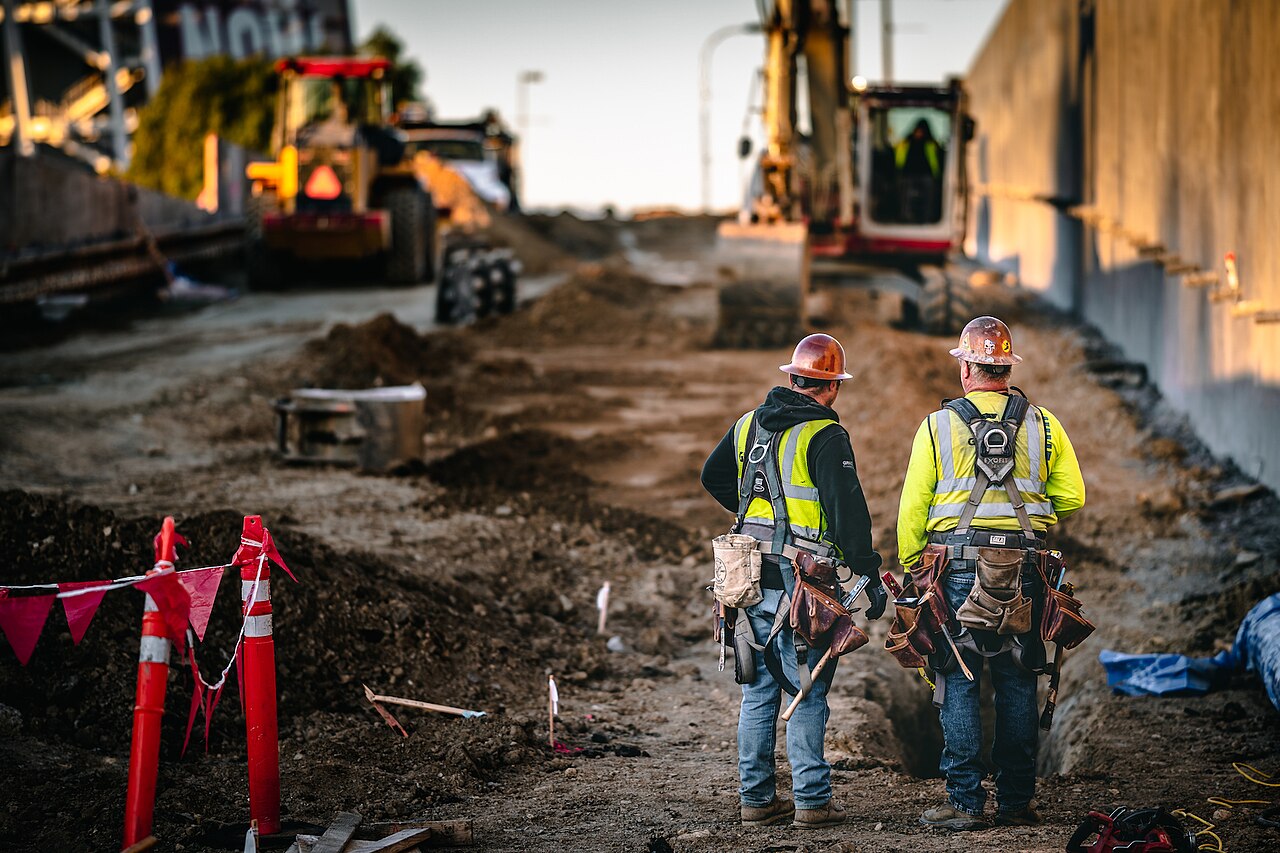
Construction decisions move between site, office, suppliers, and project partners. Turbo AI helps connect schedules, reports, documents, and equipment records so project teams can see emerging issues in time to act.
Operating Context
Connect schedules, site reports, equipment records, and project documents across delivery teams.
Industry Challenges
Drawings, RFIs, schedules, and site notes can disagree or arrive at different times. Decisions slow when teams cannot tell which record is current.
A delayed material, unavailable machine, or revised activity can affect multiple trades. Planning needs a shared view of linked work.
Site observations and lessons often remain in free-text reports. Without structure, recurring issues are difficult to compare across projects.
The AI Opportunity
AI can make changing project information easier to reconcile by connecting activities, locations, documents, and field observations. Project teams gain earlier visibility into unresolved dependencies without replacing site, safety, or contractual judgment.
Industry AI Solutions
Each approach starts with a defined problem, relevant data, and a person accountable for the outcome.
01
Connect schedule activities, locations, documents, and field updates using stable identifiers. Preserve document revision and timestamp to keep decisions traceable.
02
Highlight schedule conflicts, overdue responses, and equipment constraints for the project manager. Explain the source of each flag rather than presenting a black-box risk score.
03
Retrieve approved specifications or procedures with citations and revision dates. A specialist remains responsible for interpreting contractual or safety implications.
04
Combine usage and maintenance records to identify machines likely to constrain upcoming activities. Teams can plan inspections or replacements before a task begins.
Practical Use Cases
Compare the near-term schedule with outstanding materials, permits, and equipment. Flag dependencies for a planner to confirm during the weekly review.
Organize open questions by activity and due date, summarize the latest approved response, and keep the source record accessible.
Classify observations by location and issue type, then route unresolved items to the accountable team. Human review prevents casual notes from becoming formal findings.
Link machine availability and maintenance windows to the work plan, helping site managers avoid preventable clashes.
Delivery Approach
Select one construction workflow, its accountable owner, and the evidence required for action.
Connect the minimum relevant sources, document quality and permissions, and establish a baseline for the current process.
Test recommendations or assistance inside the real workflow, capture corrections, and evaluate useful outcomes and failure modes.
Release with monitoring, escalation, ownership, and a controlled route to update data, models, and process rules.
Technology Enablement
A project intelligence layer links schedules, current document revisions, site reports, material status, and equipment records through stable identifiers. Retrieval and analytics surface evidence inside planning meetings and preserve the source of each update.
Enterprise Value
Surface emerging project risks earlier and make field knowledge easier to act on.
Why Turbo AI
Turbo AI brings data engineering, AI application delivery, cloud infrastructure, security, and governance into one implementation path. We begin with the operating decision, work with existing systems, and keep human responsibility visible where risk or judgment matters.
The result is designed for production ownership: traceable inputs, evaluated behaviour, practical integrations, and a team that can improve the workflow after launch.
Related Services and Products
Frequently Asked Questions
Practical questions organizations ask when evaluating AI for construction.
Start with schedule activities, current document revisions, and site reports for a defined project area. Add equipment and supplier data when identifiers and ownership are clear.
No. It can surface missing information and likely constraints, but project managers must validate site conditions, contracts, and safety requirements.
Measure time spent finding current information, unresolved dependency age, and the quality of issue handoffs across meetings.
Related Insights
Read practical guidance connected to the data, workflow, and governance decisions on this page.
Bring construction schedules, site reports, current documents, and equipment constraints into reviewable project decisions and better team handoffs.
Read insightConnect machine telemetry, operating context, technician validation, and work orders to make predictive maintenance useful in real manufacturing workflows.
Read insightNext Step
Bring a specific operational question, data challenge, or workflow. We can help define a bounded starting point.
Start a conversationWhether you're evaluating a strategic initiative, conducting due diligence, or exploring AI transformation, we're here to help.
Or reach us directly at hello@turbo-ai.ca
We only use your information to respond to your inquiry. No marketing lists.