
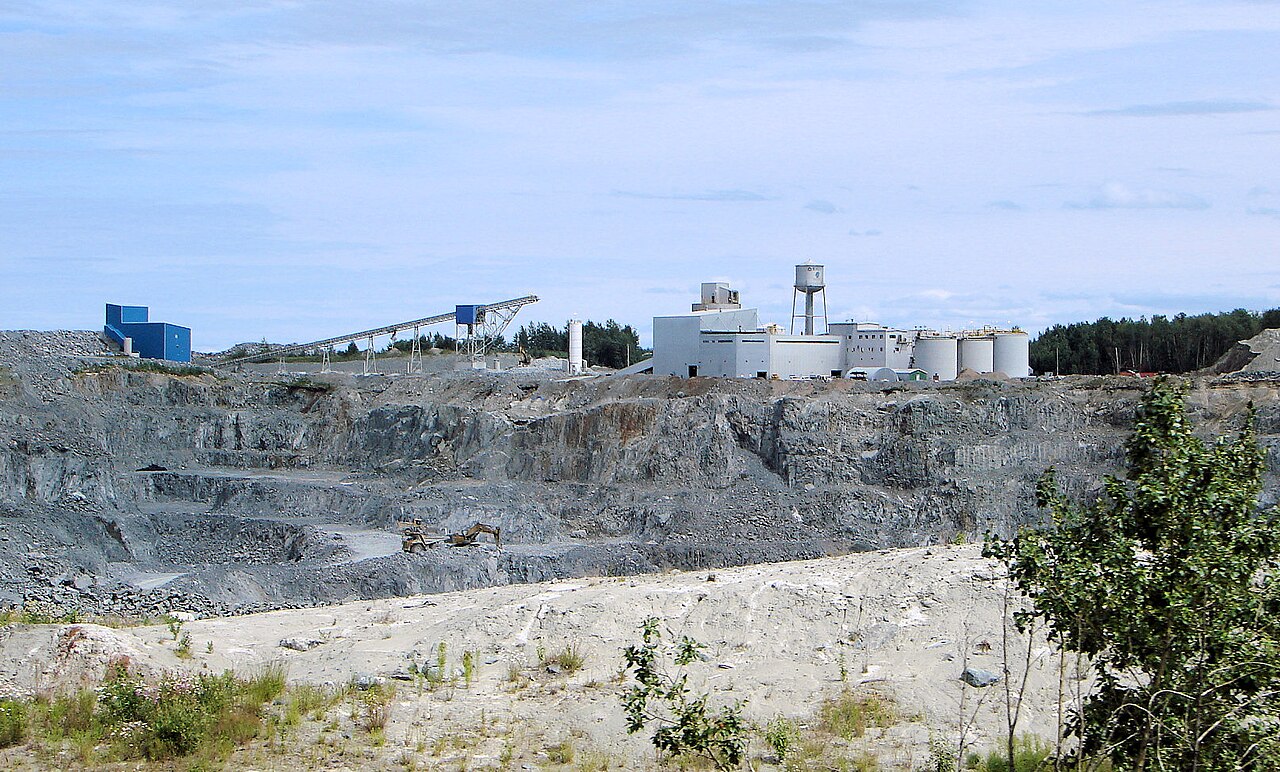
Open-pit mine with terraced rock benches and processing infrastructure

Industries We Serve

AI for Mining

Mining teams need to connect equipment condition, processing performance, and field records across sites and planning offices. For organizations evaluating mining AI solutions in Saskatoon, Turbo AI helps turn those sources into practical maintenance, production, and knowledge workflows that engineers and operators can validate.

Operating Context

Make industry data useful in the workflow.

Connect equipment telemetry, maintenance records, production logs, and approved technical documents through consistent asset identifiers. Validate sensor quality and time alignment so site engineers can trace each recommendation back to its source.

Industry Challenges

Where mining teams face friction

Asset signals lack operating context

An unusual vibration or temperature reading means little without the asset's load, operating state, and maintenance history. Isolated alerts make it difficult to distinguish an inspection priority from a normal process change.

Processing records are difficult to reconcile

Feed characteristics, laboratory results, equipment settings, and production totals may use different timestamps or identifiers. That makes it harder to investigate variation across a processing circuit.

Site knowledge is scattered

Shift logs, inspection notes, work orders, and technical procedures often sit in separate systems. Teams lose time reconstructing an issue or checking whether guidance is current and applicable to an asset.

The AI Opportunity

Why intelligence matters here

AI can connect equipment condition, processing records, and site knowledge so mining teams spend less time reconstructing events. The opportunity is earlier, evidence-backed maintenance and production review, with operating decisions retained by qualified site personnel.

Industry AI Solutions

How intelligence fits the work

Each approach starts with a defined problem, relevant data, and a person accountable for the outcome.

01

Equipment health intelligence

Connect telemetry with asset hierarchies, operating modes, and maintenance records. Prioritize unusual behaviour with visible supporting evidence so reliability teams can decide which inspections to schedule.

02

Processing performance analytics

Align production measurements, sample results, and process events in a traceable timeline. Engineers can compare conditions and investigate variation before proposing changes to operating parameters.

03

Site-to-office data foundations

Create governed data pipelines for site systems, maintenance applications, and planning records. Make delayed feeds, missing measurements, and inconsistent asset identifiers visible to the people using the analysis.

04

Technical knowledge retrieval

Make approved maintenance procedures, inspection reports, and operating guidance searchable with citations and revision dates. Keep asset applicability and access permissions attached to each answer.

Practical Use Cases

From signal to a reviewable action

Critical asset maintenance review

Combine condition changes and recent work orders for a pump, conveyor, or other selected asset. A reliability engineer reviews the evidence and raises an inspection through the existing maintenance process.

Processing variance investigation

Bring throughput, sample results, downtime events, and operating conditions into one review. Process engineers can test possible explanations without treating a statistical association as a confirmed cause.

Shift handover preparation

Draft a summary of verified production events, unresolved equipment issues, and outstanding work from approved records. Supervisors confirm the handover before the next shift relies on it.

Inspection evidence search

Help authorized teams retrieve relevant inspection findings and technical procedures for a specific asset. The source record stays accessible for engineering review and follow-up.

Delivery Approach

A bounded path into operation

  1. 01

    Define the decision

    Select one mining workflow, its accountable owner, and the evidence required for action.

  2. 02

    Prepare the foundation

    Connect the minimum relevant sources, document quality and permissions, and establish a baseline for the current process.

  3. 03

    Validate with users

    Test recommendations or assistance inside the real workflow, capture corrections, and evaluate useful outcomes and failure modes.

  4. 04

    Operate and improve

    Release with monitoring, escalation, ownership, and a controlled route to update data, models, and process rules.

Technology Enablement

How the solution connects

Asset hierarchies, time-series measurements, work orders, sample results, and approved documents feed governed data products. Analytical models and cited retrieval expose source quality and operating context inside engineering, maintenance, and shift workflows.

01Governed sources
02Data products
03AI and analytics
04Human workflow

Enterprise Value

From signals to better decisions

Help mine teams prioritize inspections, investigate production losses, and plan interventions with evidence from across the operation.

  • More focused equipment inspections with supporting evidence
  • Clearer investigation of processing and production variation
  • Better continuity between site operations and planning teams

Why Turbo AI

Strategy connected to engineering and control

Turbo AI brings data engineering, AI application delivery, cloud infrastructure, security, and governance into one implementation path. We begin with the operating decision, work with existing systems, and keep human responsibility visible where risk or judgment matters.

The result is designed for production ownership: traceable inputs, evaluated behaviour, practical integrations, and a team that can improve the workflow after launch.

Related Services and Products

Connect the operating need to the right capability

Frequently Asked Questions

AI in Mining

Practical questions organizations ask when evaluating AI for mining.

How can mining AI solutions support teams in Saskatoon?

A scoped workflow can connect site equipment, processing, and maintenance records to the teams coordinating work from Saskatoon. Start with one asset class or operational question, identify the data owner, and validate recommendations with site personnel.

What data is needed for a mining AI pilot?

For equipment health, begin with reliable asset identifiers, timestamped measurements, operating states, and work orders. For processing analytics, add production events and relevant sample results. Check coverage and data quality before selecting a model.

Can AI change mine or processing equipment settings?

The workflows described here provide analysis and decision support. Qualified personnel retain control of operational settings, maintenance approvals, and safety decisions under the site's established procedures.

How should mining teams evaluate results?

Measure whether alerts lead to useful inspections, how often engineers override recommendations, and how long investigations take. Compare the pilot with a documented baseline before extending it to other assets or sites.

Next Step

Discuss a mining AI workflow for your operations team.

Bring a specific operational question, data challenge, or workflow. We can help define a bounded starting point.

Start a conversation

Start a Conversation

Whether you're evaluating a strategic initiative, conducting due diligence, or exploring AI transformation, we're here to help.

Submit your contact form to get in touch with Turbo AI

Or reach us directly at hello@turbo-ai.ca

We only use your information to respond to your inquiry. No marketing lists.